Frequently Asked Questions About Wheelchair Ramp Installation in Los Angeles, California
What types of wheelchair ramps can be installed in Los Angeles, California?
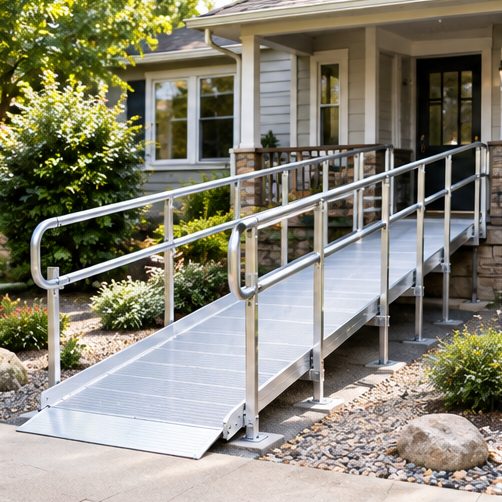
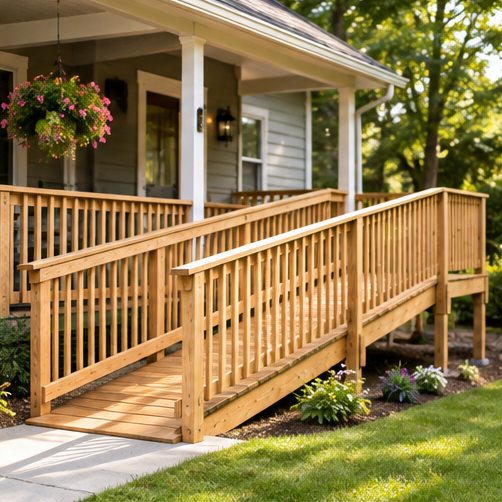
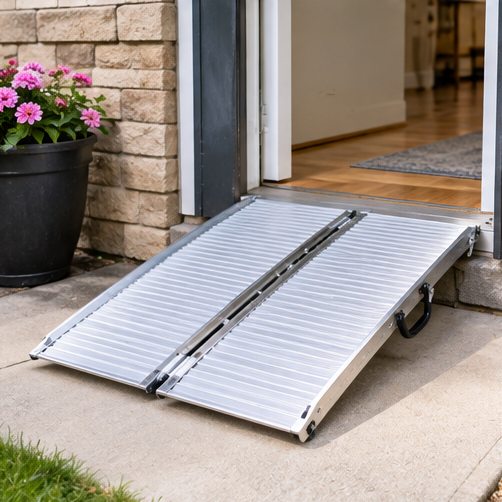
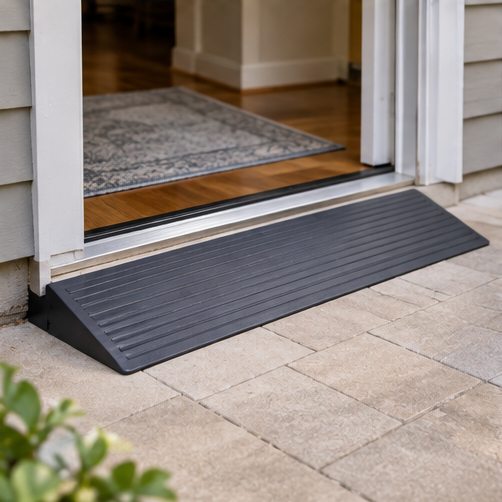
Wheelchair ramp installation providers in Los Angeles, California may offer aluminum modular ramps, custom wooden ramps, portable ramps and threshold ramps, depending on the property and accessibility requirements. Aluminum ramps may be suitable for certain modular or removable installations, while wooden ramps can be designed for permanent residential access. Portable ramps may support temporary mobility needs, and threshold ramps are generally intended for small changes in elevation. Each ramp type has different design limitations, maintenance requirements and suitability considerations. Customers should confirm the intended wheelchair or mobility device, required load capacity, entrance height, available space and applicable local requirements before selecting a ramp.
How much does wheelchair ramp installation cost in Los Angeles?
The cost of wheelchair ramp installation in Los Angeles, California depends on the ramp material, length, elevation change, property layout, foundation or support requirements, handrails, landings and installation complexity. A small threshold ramp may involve a different level of work than a custom exterior wooden ramp or modular aluminum system. Site preparation, permits, delivery and seasonal ground conditions may also affect the total project price. Customers should request a detailed written quote that identifies materials, labour, applicable taxes, permit responsibilities and any additional charges. ElderNext helps customers explore available local providers but does not guarantee fixed installation prices or that every consultation will be free.
Do wheelchair ramp installations in Los Angeles need permits or building code approval?
Permit and building code requirements for wheelchair ramp installations in Los Angeles, California depend on the project’s design, size, location, structural features and applicable municipal and provincial rules. Certain permanent ramps or associated structural modifications may require permits or other approvals, while some smaller removable solutions may be treated differently. Installers should assess relevant requirements under the applicable California building code and City of Los Angeles rules, including any requirements affecting landings, handrails, guards, slope and property boundaries. Customers should confirm permit responsibilities with their contractor and the appropriate municipal authority before construction begins. A ramp should not be described as code-compliant without verification of the specific installation.
How long does it take to install a wheelchair ramp at a Los Angeles home?
The time required to install a wheelchair ramp in Los Angeles varies according to the ramp type, entrance configuration, site preparation and whether permits or custom fabrication are needed. A suitable prefabricated or modular system may require less on-site construction than a custom wooden ramp involving foundations, landings or other structural work. Los Angeles weather and seasonal ground conditions can also affect outdoor installation schedules. Before confirming the project, ask the installer about measurement visits, material availability, permit timelines, installation scheduling and any expected disruption to the home’s entrance. Completion dates should be agreed upon directly with the selected provider.
Can a wheelchair ramp be installed at a rental property in Los Angeles?
Wheelchair ramp installation at a rental property in Los Angeles, California may be possible, but tenants should obtain appropriate written permission and clarify responsibilities before making permanent modifications. Depending on the property and installation type, landlord approval, condominium rules, municipal permits or other requirements may apply. Portable or removable ramp solutions may be worth discussing when permanent construction is not suitable, although they must still be appropriate for the intended user and entrance. Tenants and property owners should review installation, maintenance, removal and restoration responsibilities in advance. A qualified installer can help assess practical options, while legal or tenancy questions should be directed to an appropriate professional or authority.