Frequently Asked Questions About Medical Alert System Providers in Los Angeles, California
What is a medical alert system for seniors?
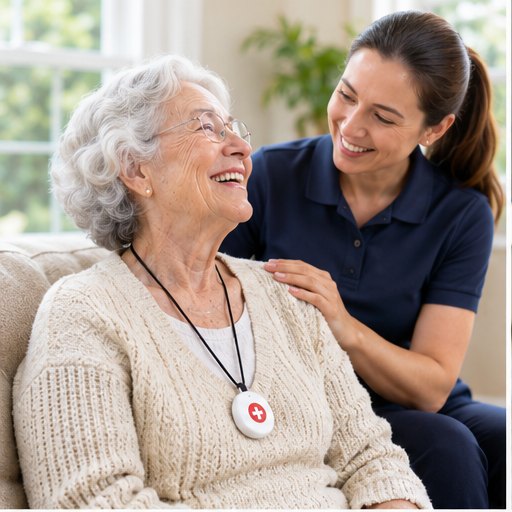
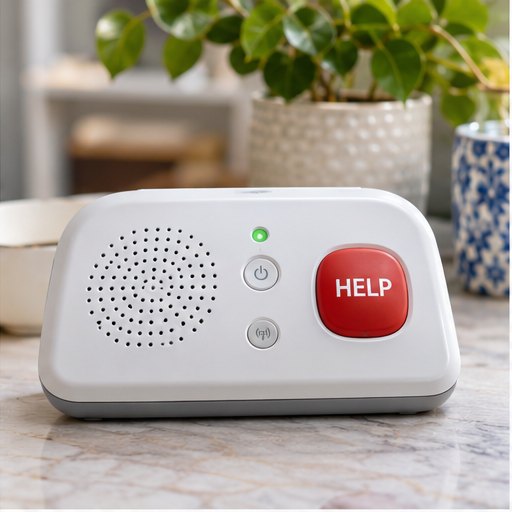
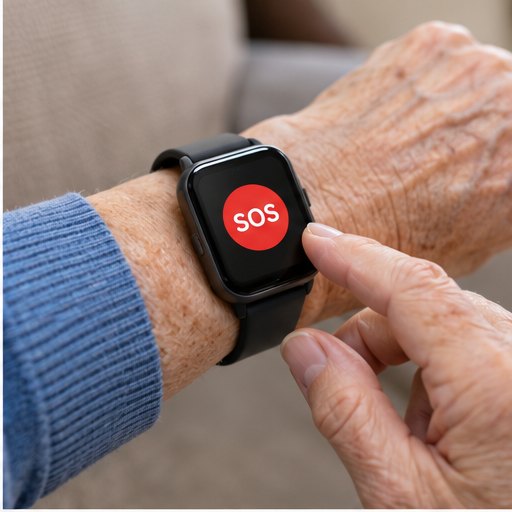
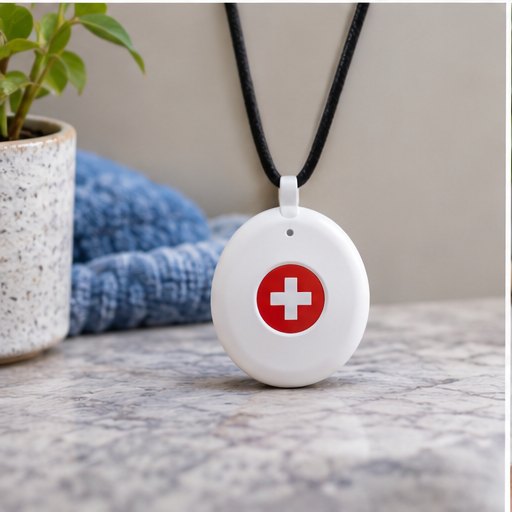
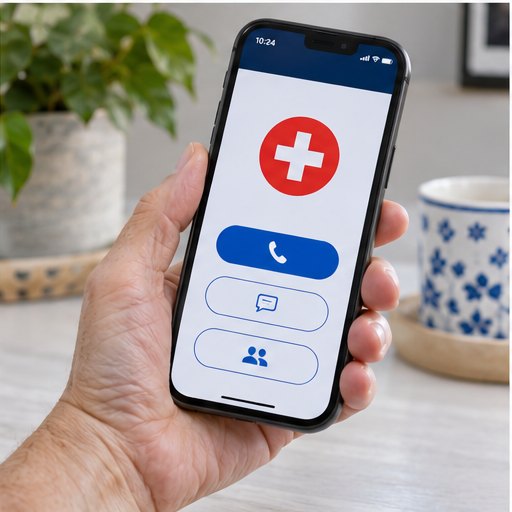
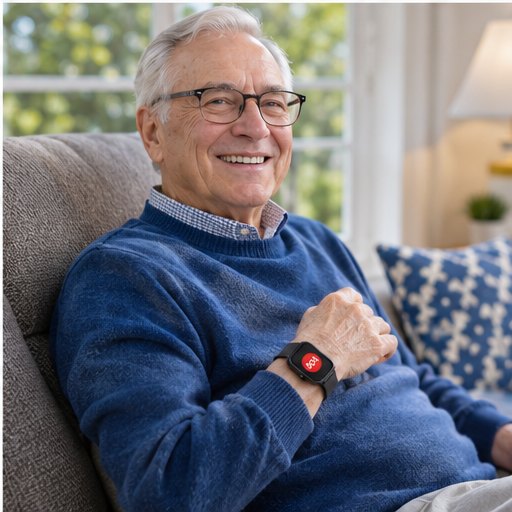
A medical alert system is a device and, in some cases, an associated monitoring service that allows a person to request assistance during an emergency or another situation where help is needed. Common products include wearable help buttons, pendants, wristbands and portable mobile devices. Depending on the system, pressing a button may connect the user to a monitoring centre or designated emergency contacts. Some devices also offer two-way communication, location features or optional fall detection. Medical alert systems are designed to support access to assistance but do not provide medical treatment or guarantee that every emergency will be detected.
How much do medical alert systems cost in Los Angeles?
Medical alert system pricing in Los Angeles depends on the provider, equipment, monitoring plan and optional features. Costs may include device purchase or rental charges, activation fees, monthly or annual subscriptions, shipping and additional services such as automatic fall detection. Some providers offer different pricing for home-based and mobile systems. Customers should confirm whether a contract is required, whether prices may change, what happens if the service is cancelled and whether equipment must be returned. ElderNext does not guarantee fixed prices across independent medical alert providers. Request an itemized quote before selecting a plan.
How does 24/7 medical alert monitoring work?
With an eligible professionally monitored medical alert system, activating the device may connect the user with a monitoring centre that operates around the clock. Depending on the provider’s procedures, monitoring personnel may attempt to speak with the user, contact designated family members or arrange an emergency response when appropriate. Actual response procedures, communication methods and escalation policies vary by provider and plan. Customers should ask whether monitoring is included, where the service operates, how emergency contacts are notified and what happens if the user cannot speak. Monitoring does not guarantee a particular emergency service arrival time.
Do medical alert systems automatically detect falls?
Some medical alert devices offer automatic fall detection as a built-in or optional feature. These systems may use motion sensors and software to identify certain patterns associated with a fall. However, automatic fall detection cannot identify every fall and may occasionally generate false alerts. Detection performance can depend on how the device is worn, the type of movement and the surrounding conditions. Customers should confirm whether fall detection is supported, whether an additional fee applies and how the provider handles automatic alerts. Users should still press the emergency button whenever possible if they need assistance.
Can seniors use medical alert devices outside their homes?
Some medical alert providers offer mobile devices intended for use outside the home, including during walks, errands, appointments and other everyday activities. These systems may use cellular networks and location technologies, depending on the device. Customers should confirm the provider’s coverage area, battery requirements, charging procedures and whether the device can communicate from the locations where it will be used. Buildings, network interruptions and other environmental conditions can affect connectivity or location accuracy. A home-based system may have a more limited operating range and should not be assumed to provide protection throughout the community.
Do medical alert systems require Wi-Fi or a landline?
Connectivity requirements vary by medical alert system. Some traditional home-based devices use a landline, while others connect through cellular networks. Certain connected care features or companion applications may require internet access or compatible smartphones. Mobile medical alert devices commonly depend on supported cellular connectivity, but requirements differ by model and provider. Customers should confirm whether the system works at their address, whether Wi-Fi is necessary, what happens during a power outage and whether backup batteries are included. Connectivity should be tested according to the provider’s instructions after installation.
Are medical alert systems suitable for seniors who live alone?
Medical alert systems may be useful for older adults who live alone and want an additional method of requesting assistance. A wearable emergency button or compatible mobile device may allow a user to initiate an alert when a phone is not easily accessible. However, the suitability of a particular system depends on the individual’s ability to use and maintain the device, communication needs, living environment and available support network. Families should also consider fall prevention, emergency planning and appropriate caregiver arrangements. Medical alert systems do not replace supervision or professional care when those services are needed.
Can family members receive alerts or updates?
Some medical alert providers offer family notification features, emergency contact lists or connected care applications. Depending on the plan, designated contacts may receive information about certain alerts, device status or other supported events. The availability and timing of notifications vary among providers. Customers should ask which features are included, how contact information is managed and whether the user must consent to information sharing. Families should not assume that every medical alert system provides continuous tracking, real-time health monitoring or immediate notification of every event. Privacy and data handling practices should also be reviewed before activation.
Which Los Angeles areas can medical alert system providers serve?
Medical alert systems may be available to eligible customers throughout northwest, northeast, southwest and southeast Los Angeles, depending on the provider’s sales and service coverage. Some providers may also serve nearby communities such as Airdrie, Chestermere, Cochrane and Okotoks. Because many medical alert systems rely on telephone or cellular connections, service suitability depends on the equipment and network coverage at the intended location. Customers should confirm delivery, activation, monitoring availability and any applicable service restrictions directly with the provider. ElderNext does not guarantee coverage at every address or in every environment.
What should I compare before choosing a medical alert system?
Before choosing a medical alert system, compare whether the device is intended for home use, mobile use or both. Review the available monitoring service, emergency response procedures, fall detection options, battery life, charging requirements, network coverage and water resistance. Customers should also consider device comfort, ease of use, speaker quality, setup assistance, customer support and any connected family features. Request complete information about equipment fees, monthly subscriptions, contract lengths, cancellation charges and return policies. A suitable system should match the user’s individual needs and be tested according to the provider’s instructions before regular use.