Frequently Asked Questions About Diagnostic Imaging Clinics for Seniors in Juneau, Alaska
Where can I find diagnostic imaging clinics for seniors in Juneau?
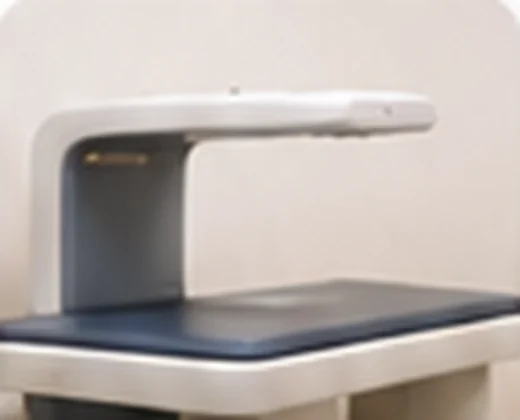
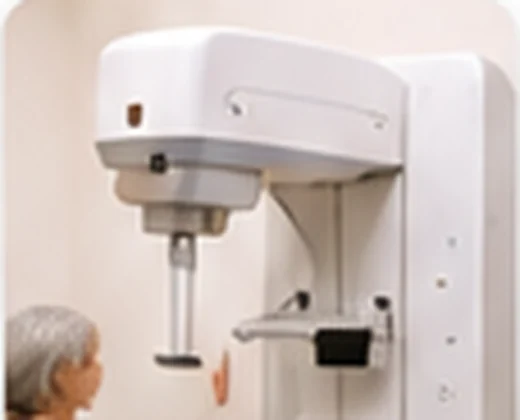
Diagnostic imaging services in Juneau may be available through community imaging clinics, specialized diagnostic centres and hospital-based facilities. The examinations offered vary by location and may include X-rays, ultrasound, CT, MRI, bone density testing or mammography. Some clinics offer several imaging modalities, while others specialize in particular examinations. Customers should confirm that the facility provides the exact test requested by their healthcare professional and accepts the relevant requisition. Appointment availability, accessibility arrangements and eligibility for publicly funded services vary. ElderNext helps users explore available options but does not guarantee that every imaging service is offered at every clinic.
Do I need a doctor’s referral for diagnostic imaging in Juneau?
Many diagnostic imaging examinations in Alaska require a valid requisition or referral from an authorized healthcare professional. Requirements depend on the imaging modality, clinical circumstances and applicable screening program. Some eligible breast screening services may allow direct booking under current program rules, while diagnostic examinations generally follow the appropriate referral process. Customers should not assume that all imaging services permit self-referral. Before contacting a clinic, confirm the required documentation with the referring provider or imaging facility. ElderNext cannot issue medical requisitions or determine whether an examination is clinically appropriate.
What is the difference between an X-ray, CT scan, MRI and ultrasound?
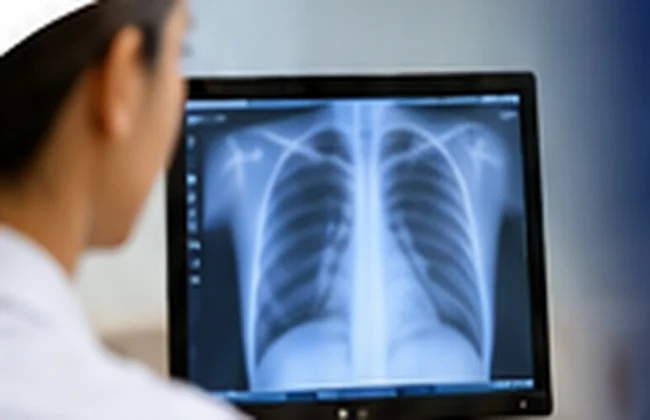
These imaging technologies use different methods to produce images of the body. X-rays use ionizing radiation and are commonly used for selected bone, chest and other examinations. CT scans also use ionizing radiation to create detailed cross-sectional images. MRI uses magnetic fields and radiofrequency energy and is useful for examining certain soft tissues and other structures. Ultrasound uses sound waves and does not involve ionizing radiation. Each test has advantages, limitations and safety considerations. The most appropriate examination depends on the medical question being investigated and should be determined by an authorized healthcare professional.
How should seniors prepare for an imaging appointment?
Preparation depends on the examination. Some tests require little preparation, while others may involve fasting, drinking water, arriving with a full bladder or completing screening questionnaires. MRI appointments require particular attention to implanted devices and metal-related safety concerns. CT or MRI examinations involving contrast may require additional medical screening. Patients should follow the specific instructions supplied by their imaging clinic and healthcare provider rather than applying general advice to every test. Bring requested identification, relevant documents and a current medication list if instructed. Contact the clinic in advance if mobility, communication or other accommodations are needed.
Are diagnostic imaging clinics in Juneau wheelchair accessible?
Accessibility varies by clinic and facility. Some imaging centres offer wheelchair-accessible entrances, accessible washrooms and assistance with certain transfers, but equipment and staffing capabilities differ. Patients who use wheelchairs, walkers or other mobility aids should explain their needs before scheduling. Some examinations require positioning on a table or remaining still, and not every facility can accommodate every transfer requirement. Customers should confirm accessible parking, entrance arrangements, transfer assistance and whether a caregiver may accompany them. ElderNext does not guarantee that every imaging clinic can accommodate every mobility or accessibility need.
How long does an X-ray, ultrasound, CT or MRI appointment take?
Appointment length varies by imaging modality, the body area being examined, preparation requirements and the facility’s workflow. A straightforward X-ray may require relatively little imaging time, while some ultrasound or MRI examinations can take considerably longer. CT examinations may also involve additional time for preparation or contrast administration. Registration, changing clothes and accessibility assistance can increase the total visit duration. Customers should ask the clinic for an estimate specific to the requested examination and allow additional time for check-in. ElderNext cannot guarantee appointment duration or waiting times.
Are diagnostic imaging services covered by Alaska Health Care?
Coverage depends on the examination, medical necessity, patient eligibility, referral arrangements and whether the service is provided through an eligible publicly funded pathway. Some diagnostic imaging services may be covered for eligible Alaska residents when medically indicated and performed through appropriate providers. Other examinations or privately arranged services may involve charges. Customers should confirm coverage, referral requirements and any potential fees directly with the imaging facility and relevant healthcare coverage administrator before booking. ElderNext does not determine insurance eligibility or guarantee that a particular examination will be publicly funded.
When will I receive my diagnostic imaging results?
Imaging results are typically interpreted by an appropriately qualified medical professional and reported through the facility’s established process. The report is generally sent to the referring healthcare provider, who can explain the findings and recommend next steps. Reporting times vary depending on the examination, clinical priority and provider workflow. Some facilities offer patient access to reports or images through specific processes. Customers should ask the clinic how results are communicated and whom to contact for follow-up. ElderNext does not interpret imaging findings or guarantee a particular reporting timeframe.
Can seniors arrange transportation to an imaging appointment in Juneau?
Seniors who need transportation to a diagnostic imaging appointment may explore local senior transportation providers, accessible transportation services or assistance from family and caregivers. Transportation needs depend on the person’s mobility, appointment location and whether the examination involves sedation or other procedures that may require an accompanying adult. Some facilities provide specific instructions about driving after certain examinations or medications. Customers should confirm these requirements before arranging transportation. ElderNext may help users explore relevant transportation options, but availability, vehicle accessibility, escort services and booking requirements depend on the provider.
Do diagnostic imaging clinics serve Juneau and nearby communities?
Diagnostic imaging facilities in Juneau may serve patients from surrounding communities such as Airdrie, Chestermere, Cochrane and Okotoks, depending on referral arrangements and the examination required. Some imaging services may also be available at facilities outside Juneau. Access to specialized examinations can depend on regional healthcare pathways, clinical priority and facility capabilities. Patients should confirm that the selected clinic accepts their requisition, provides the requested examination and can accommodate any accessibility needs. ElderNext does not guarantee service availability or appointments in every community.