Frequently Asked Questions About Optometrists for Seniors in Portland, Oregon
How often should seniors have an eye exam in Portland?
Eye examination frequency depends on the older adult’s age, eye health, medical history, symptoms and the recommendations of their optometrist. In Oregon, routine examination recommendations commonly differ by age group and clinical risk. Many older adults aged 65 and over are advised to have regular comprehensive eye examinations, often annually, but an individual may need more frequent assessment when managing diabetes, glaucoma or other eye conditions. Patients should follow the schedule recommended by their treating eye care professional. New or worsening symptoms should not be ignored simply because a routine appointment is already scheduled for a later date.
Are eye exams for seniors covered by Oregon Health Care?
Oregon provides publicly funded optometric examination benefits for certain eligible age groups and circumstances, including specified routine examination coverage for eligible seniors aged 65 and older. However, coverage rules, examination frequency, medical necessity requirements and additional testing charges may vary. Eyeglasses, contact lenses and certain optional services are not automatically included in routine examination benefits. Patients should confirm their current eligibility, any additional fees and billing arrangements with the optometry clinic and Oregon’s official health coverage information before booking. Private insurance may provide separate benefits depending on the individual’s plan.
Do seniors need a doctor’s referral to see an optometrist in Portland?
Many optometrists in Portland accept patients who arrange appointments directly without a physician referral. However, specific clinics, specialized services, insurance arrangements or medical circumstances may involve additional requirements. An optometrist may refer a patient to an ophthalmologist or another healthcare professional when specialized assessment or treatment is necessary. Patients should confirm appointment requirements and bring relevant medical information, current eyeglasses and a list of medications where appropriate. If symptoms suggest an urgent eye problem, seek prompt medical assessment rather than waiting for a routine appointment.
What is included in a comprehensive senior eye examination?
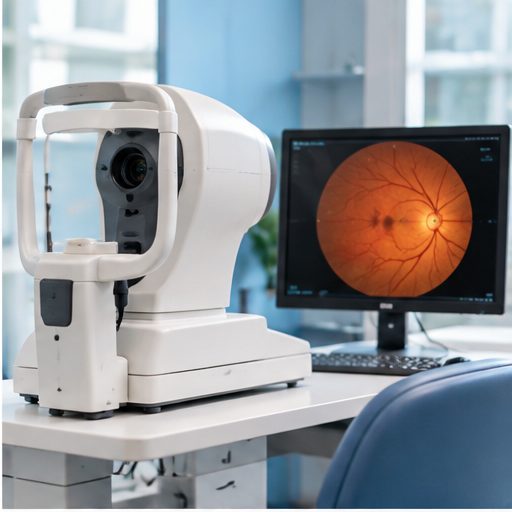
A comprehensive eye examination may include assessment of visual acuity, refractive error, eye coordination and the health of important eye structures. Depending on the patient’s history and clinical findings, an optometrist may evaluate eye pressure, examine the retina and optic nerve, or recommend additional diagnostic testing. The examination may also involve discussion of symptoms, medical conditions, medications and family eye health history. The exact tests performed depend on clinical judgment and the services available at the clinic. Customers should ask whether specialized imaging, contact lens fitting or other additional procedures involve separate charges.
Can an optometrist detect cataracts, glaucoma or macular degeneration?
Optometrists can assess signs associated with several eye conditions, including cataracts, glaucoma and age-related macular degeneration, within their professional scope. Depending on the findings, they may recommend monitoring, additional testing, treatment within their authorized practice or referral to an ophthalmologist. Some conditions may develop gradually without obvious early symptoms, which is one reason regular eye examinations can be valuable. However, not every condition can be identified through a single screening test, and examination results do not guarantee prevention of future vision loss. Patients should follow the clinician’s recommendations for further assessment and care.
Can seniors with diabetes book a diabetic eye exam in Portland?
Yes, seniors living with diabetes can seek appropriate eye examinations through qualified eye care professionals in Portland. Diabetes can affect blood vessels in the retina and may increase the risk of certain vision complications. The recommended examination type and frequency depend on the patient’s diabetes history, previous eye findings and healthcare recommendations. Some patients may require specialized retinal imaging or referral to another eye care professional. Customers should inform the clinic about their diabetes and ask whether the required examination and testing are available. Sudden vision changes or concerning symptoms require prompt medical attention.
Can seniors receive mobile or in-home eye examinations in Portland?
Some eye care providers may offer mobile or on-site services for older adults in homes, retirement residences or other eligible settings. However, availability depends on the provider’s service area, equipment, staffing and the type of examination required. Certain diagnostic tests may only be available at a fully equipped clinic. Customers should ask whether the mobile provider is appropriately qualified, which tests can be performed, whether a full eye examination is available and what additional travel fees may apply. ElderNext does not guarantee that mobile optometry appointments are available at every Portland address or that home visits can replace all clinic-based examinations.
What is the difference between an optometrist and an ophthalmologist?
An optometrist is an eye care professional who performs vision examinations, assesses eye health and provides services within the scope authorized by the applicable regulatory framework. An ophthalmologist is a medical doctor who specializes in eye diseases and may provide medical and surgical treatment. Both professions can play important roles in eye care, but their training and treatment responsibilities differ. Patients may be referred from an optometrist to an ophthalmologist when specialized investigation, surgery or other medical care is required. Customers should choose the appropriate professional based on their symptoms and the recommendations of qualified healthcare providers.
Which Portland neighbourhoods can optometrists serve?
Optometry clinics may be available throughout northwest, northeast, southwest and southeast Portland, with different appointment schedules, accessibility features and services. Patients may also explore eye care options in nearby communities such as Airdrie, Chestermere, Cochrane and Okotoks. Clinic locations and mobile service areas vary, and ElderNext does not guarantee immediate appointment availability in every neighbourhood. When submitting a request, customers should provide their preferred location, the reason for the examination and any transportation or accessibility requirements so relevant options can be explored.
When should a senior seek urgent care for an eye problem?
Some eye symptoms require urgent medical evaluation rather than a routine optometry appointment. Examples include sudden loss of vision, a sudden significant change in vision, severe eye pain, a new curtain-like shadow across the visual field, or new flashes and floaters accompanied by visual changes. Eye injuries and certain sudden neurological symptoms may also require emergency care. If symptoms suggest a medical emergency, seek urgent medical assistance rather than waiting for an ordinary booking. ElderNext is a provider discovery platform and does not offer emergency diagnosis, medical triage or immediate eye treatment.