Frequently Asked Questions About Personal Care Services for Seniors in Salt Lake City, Utah
What personal care services are available for seniors in Salt Lake City?
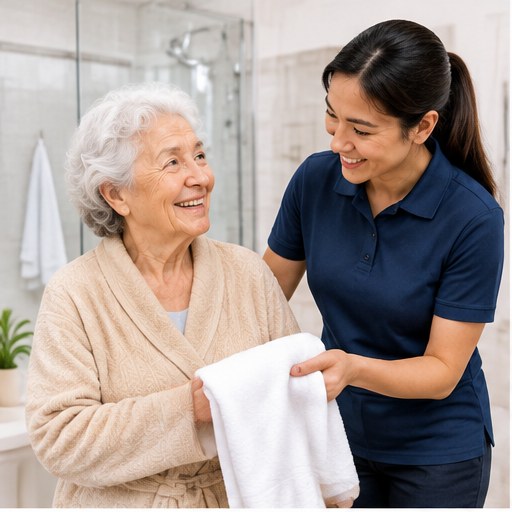
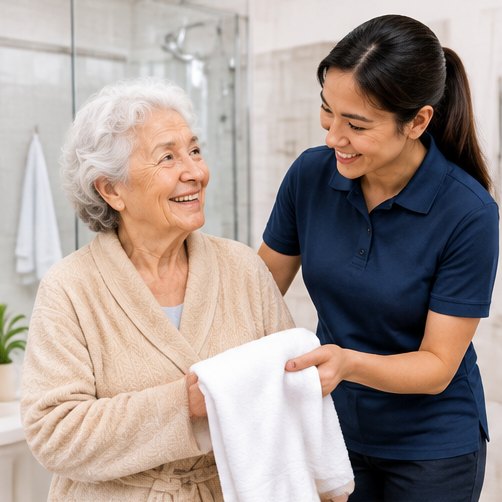
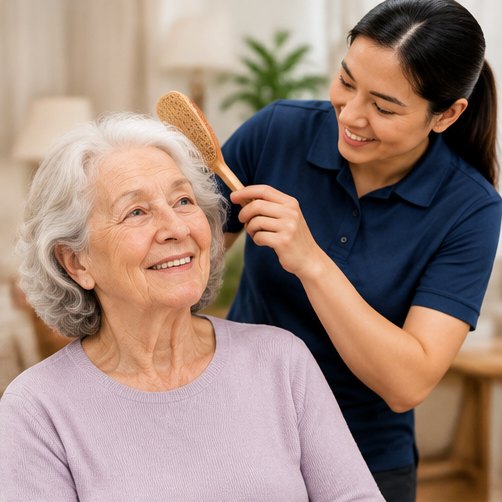
Personal care services for seniors in Salt Lake City may include assistance with bathing, showering, dressing, grooming, toileting, continence-related hygiene and selected routine mobility tasks. The exact services depend on the provider’s qualifications, the older adult’s needs and the agreed care plan. Some organizations offer broader home care packages that include household assistance or companionship, while others focus specifically on hands-on personal support. Customers should confirm which tasks are included, whether specialized equipment is required and whether the assigned worker is appropriately trained. Medical procedures and nursing services are not automatically included in non-medical personal care arrangements.
How much does in-home personal care cost in Salt Lake City?
The cost of in-home personal care in Salt Lake City depends on the provider, visit duration, frequency, required assistance and caregiver qualifications. Some organizations may charge hourly rates or require minimum visit lengths, while others offer recurring service packages. More complex care needs, evening or weekend appointments, travel and specialized equipment may affect the total cost. Families should request an itemized quote that explains included tasks, applicable taxes, minimum booking requirements, cancellation terms and any additional charges. Publicly funded home care may be available to eligible individuals through appropriate assessment and care pathways, but eligibility and service allocation must be confirmed with the responsible organization. ElderNext does not guarantee fixed prices or funding eligibility.
What is the difference between personal care and companionship services?
Personal care generally involves hands-on assistance with essential daily activities such as bathing, dressing, grooming and toileting. Companionship services primarily focus on conversation, social interaction, shared activities and friendly visits. Although some home care organizations offer both categories, a companion should not automatically be expected to provide intimate personal care or physical transfers. These tasks may require specific training, equipment and safety procedures. Families should clearly identify the type of support needed before booking. ElderNext maintains separate service categories so customers can explore providers suited to their requirements rather than assuming that every home support worker offers the same level of assistance.
Are personal care workers trained and background checked in Salt Lake City?
Training, background screening, professional experience and insurance arrangements vary among personal care providers in Salt Lake City, Utah. Some organizations employ health care aides or other trained support workers and may conduct background checks, reference verification and ongoing supervision. Independent providers may follow different procedures. Families should ask about the worker’s relevant training, experience with older adults, safe transfer practices, infection prevention procedures and the organization’s screening standards. For complex personal care needs, it is particularly important to verify that the worker can safely perform the required tasks. ElderNext does not guarantee identical screening or training standards across all independent providers.
Can personal care services be provided in a retirement home or assisted living residence?
Some personal care providers in Salt Lake City may offer services in retirement residences or other senior living settings, but outside caregiver access depends on the facility’s policies, the resident’s care arrangements and the provider’s availability. Certain residences may already include personal care services or require coordination with their own staff. Families should confirm whether external workers are permitted, which tasks they may perform and whether any additional documentation or approval is required. The residence may also have rules concerning infection prevention, visitor access, equipment and communication with staff. Services should not be scheduled without confirming the facility’s requirements.
Can seniors receive daily or recurring personal care visits?
Many personal care providers may offer recurring appointments, including several visits per week or daily assistance, subject to staffing and scheduling availability. Families can request support with morning routines, evening preparation or other agreed personal care activities. Some seniors need occasional help, while others require a more comprehensive care arrangement. Customers should confirm minimum visit duration, caregiver consistency, replacement procedures, pricing and how schedule changes are handled. A recurring booking request does not guarantee that the same worker will attend every visit unless the provider explicitly confirms this arrangement. Individuals requiring continuous supervision or round-the-clock care may need a different service model.
Can personal care workers help seniors with mobility and transfers?
Some appropriately trained personal care workers can assist with selected mobility tasks and transfers as part of an agreed care plan. However, the level of assistance depends on the individual’s abilities, medical restrictions, available equipment and the worker’s training. Transfers involving mechanical lifts, significant physical assistance or complex mobility limitations may require specialized procedures, additional personnel or professional assessment. Families should disclose any history of falls, difficulty bearing weight or use of mobility devices before booking. A provider should not attempt a transfer that exceeds the worker’s training or the available safety arrangements.
Is personal care the same as nursing or medical home care?
No. Non-medical personal care generally focuses on assistance with everyday activities such as hygiene, dressing and certain routine mobility needs. Nursing and medical home care involve clinical responsibilities that must be performed by appropriately qualified and authorized healthcare professionals. These may include certain medication procedures, wound treatment, injections, clinical assessments or other medical interventions. Some home care organizations provide both personal care and nursing through different staff members, but the services should be clearly identified in the care plan. Families should never assume that a general personal care worker is authorized to perform medical tasks.
Which Salt Lake City neighbourhoods can personal care providers serve?
Personal care providers may offer services in northwest, northeast, southwest and southeast Salt Lake City, depending on their operating areas, staffing and scheduling capacity. Families may also explore options in nearby communities such as Airdrie, Chestermere, Cochrane and Okotoks, subject to availability and potential travel charges. Some providers serve only certain neighbourhoods or require minimum visit lengths. ElderNext does not guarantee personal care availability at every address. Customers should provide the senior’s location, preferred schedule, required assistance and relevant mobility or safety considerations so available local options can be assessed.
How should families prepare for the first personal care visit?
Before the first personal care visit, families should confirm the caregiver’s identity, qualifications, arrival time and agreed responsibilities. Provide clear information about the older adult’s preferences, mobility needs, daily routine, bathroom accessibility and any required assistive equipment. It is also important to discuss privacy, consent, infection prevention, emergency contacts and procedures for reporting concerns. If the senior requires medication administration, specialized transfers or other clinical support, those needs should be arranged through appropriately qualified professionals. The selected provider should explain its service agreement, cancellation policy and how updates will be communicated to authorized family members.